
Lobotomy
Discredited brain surgery that severed prefrontal cortex connections.

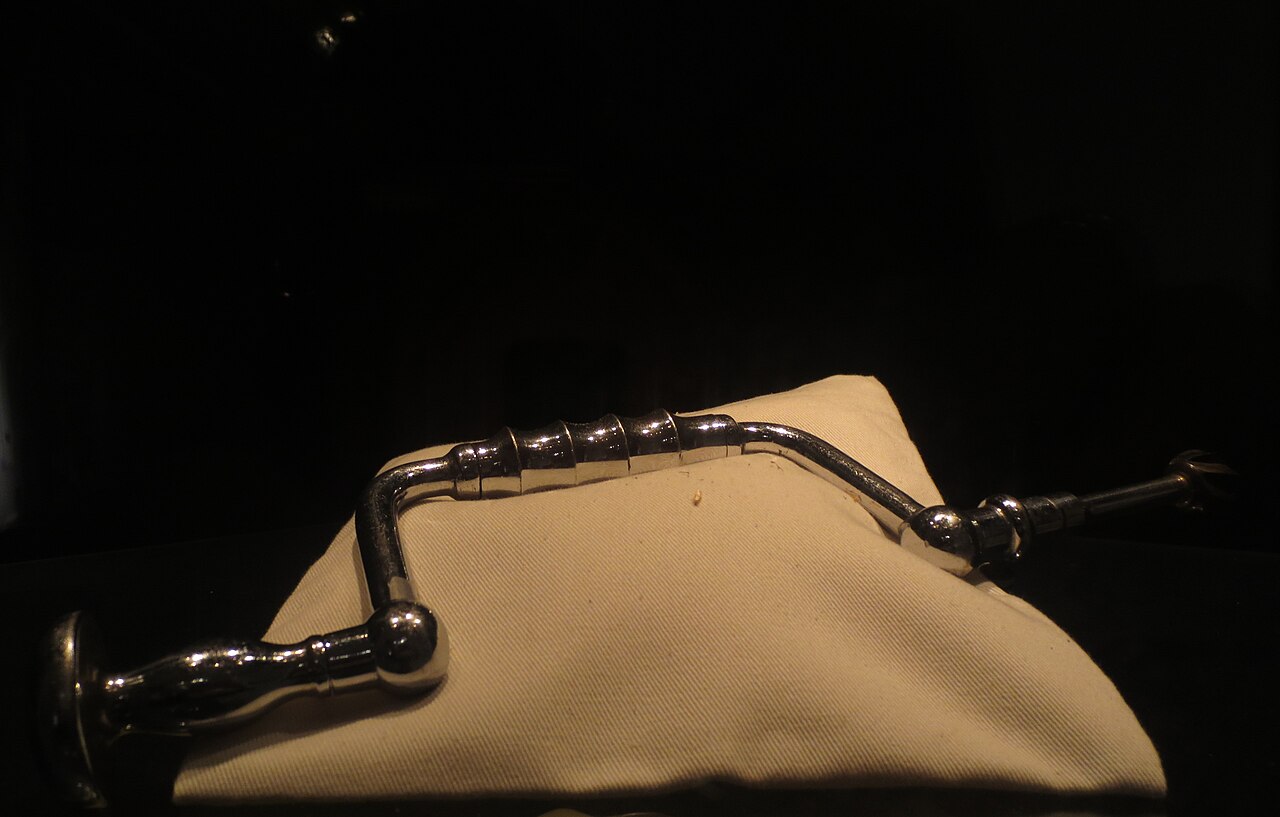
Bjoertvedt · CC BY-SA 4.0
Lobotomy, also known as leucotomy, is a discredited neurosurgical treatment for psychiatric and neurological disorders that involves severing connections in the brain's prefrontal cortex. Developed in the 1930s, it was used as a mainstream procedure in some countries until the 1970s, primarily for conditions such as epilepsy, depression, and other psychoses. The procedure's originator, Portuguese neurologist António Egas Moniz, received the Nobel Prize for Physiology or Medicine in 1949 for its discovery, though the award has been controversial. Lobotomy was modified and championed in the United States by Walter Freeman, who performed the first U.S. lobotomy in 1936. Its use peaked in the 1940s and 1950s, with nearly 20,000 procedures performed in the U.S. by 1951, and proportionally more in the United Kingdom. More lobotomies were performed on women than on men, with a 1951 study finding nearly 60% of American lobotomy patients were women.
- field
- Neurosurgery, Psychiatry
- known_for
- Discredited neurosurgical treatment for psychiatric disorders
- originator
- António Egas Moniz (Portuguese neurologist)
- key_promoter
- Walter Freeman (performed first U.S. lobotomy in 1936)
- peak_period
- 1940s–1950s
- mortality_rate_1940s
- Approximately 5%
Lore & Background
Lobotomy emerged in the early 20th century when mental hospital populations were rising and effective treatments were scarce. It was part of a series of radical physical therapies—including malarial therapy, insulin shock therapy, and electroconvulsive therapy—that broke with earlier therapeutic nihilism. These interventions, despite risks, made psychiatric conditions seem more treatable and emboldened doctors to attempt drastic procedures. The clinician-historian Joel Braslow noted that physical psychiatric therapies 'spiral closer and closer to the interior of the brain,' with the organ increasingly seen as both source of disease and site of cure. Medical historian Roy Porter argued that these interventions reflected both psychiatrists' well-intentioned desire to alleviate suffering and the relative lack of social power of patients to resist reckless treatments.
Reader's Guide
Lobotomy's significance lies in its rise and fall as a mainstream psychiatric treatment, reflecting broader tensions in medical history between therapeutic ambition and patient welfare. The procedure was championed as a last-resort remedy for 'hopeless' patients, but its effects were devastating: patients often became stuporous, incontinent, emotionally blunted, and intellectually restricted. British psychiatrist Maurice Partridge described the treatment as 'reducing the complexity of psychic life.' Walter Freeman coined the term 'surgically induced childhood' and described one patient as having 'the personality of an oyster.' The development of antipsychotic medications, along with ominous portrayals in novels, plays, and films, led to lobotomy's rapid decline. The Soviet Union banned it in December 1950, and Europe followed. Today, lobotomy is a byword for medical barbarism, though derivatives such as stereotactic tractotomy and bilateral cingulotomy are still used. The controversy over Moniz's Nobel Prize underscores ongoing debates about the ethics of psychiatric interventions.
Did You Know?
- The term 'lobotomy' comes from Greek λοβός (lobos) 'lobe' and τομή (tomē) 'cut, slice'.
- A 1951 study found nearly 60% of American lobotomy patients were women; in Ontario from 1948 to 1952, 74% were female.
- The Soviet Union banned lobotomy in December 1950, before it was abandoned in Europe.
- Walter Freeman described a lobotomized patient as having 'the personality of an oyster.'
Origins and the Nobel Controversy
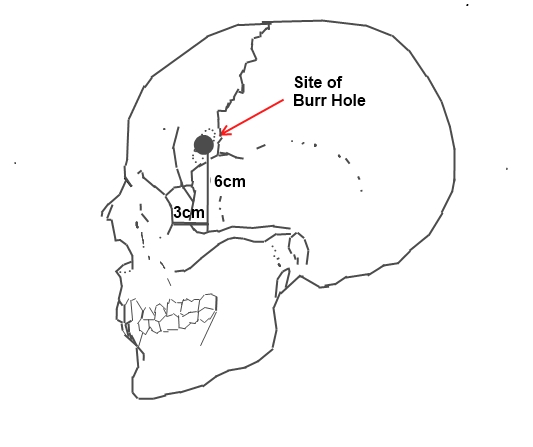
The term lobotomy derives from two Greek roots — lobos, meaning lobe, and tomē, meaning cut or slice — and refers to a surgical procedure that severs the neural connections entering and leaving the prefrontal cortex and the anterior portions of the frontal lobes. The method was originated by Portuguese neurologist António Egas Moniz, who in the 1930s proposed that deliberately disrupting prefrontal circuitry could alleviate certain psychiatric conditions. The procedure emerged during a period when mental hospitals across Europe were swelling with patients for whom virtually no effective medical treatment existed, representing a dramatic departure from the therapeutic nihilism that had dominated psychiatry since the mid-nineteenth century. Lobotomy joined a small family of so-called "heroic" physical interventions, including malarial therapy for general paresis introduced in 1917. In 1949, Moniz shared the Nobel Prize in Physiology or Medicine, cited for the "discovery of the therapeutic value of leucotomy in certain psychoses." The award has remained deeply controversial, as the very procedure it honored would later be universally discredited.
Walter Freeman and the American Surge
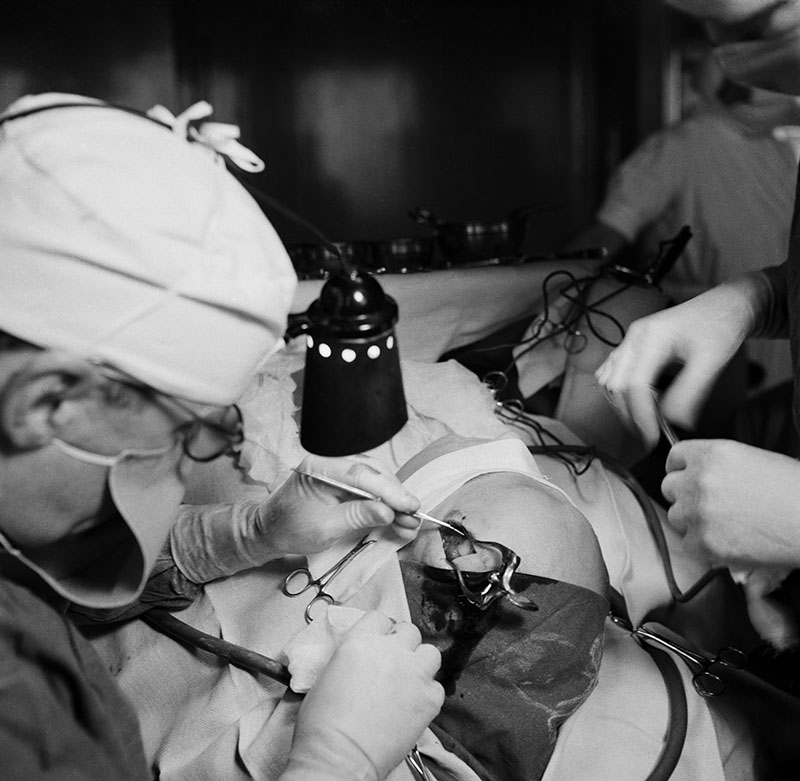
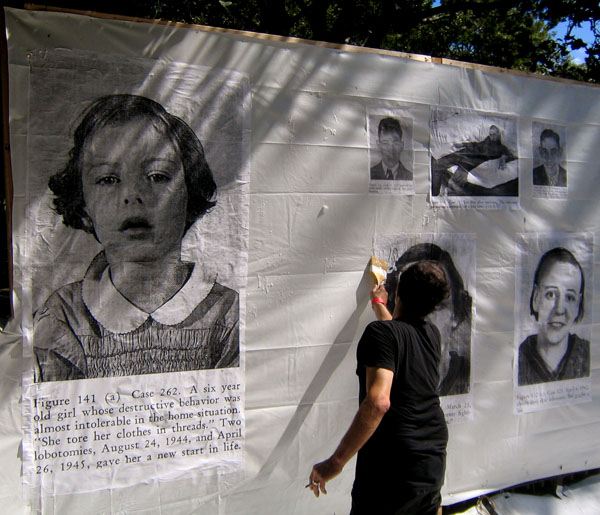
American psychiatrist Walter Freeman took Moniz's original technique, refined it, and turned it into a mass procedure. He performed the first lobotomy at a US mental hospital in 1936, and from the early 1940s through the 1950s the operation's frequency exploded. By 1951 nearly twenty thousand lobotomies had been carried out in the United States, with proportionally even higher numbers in the United Kingdom. The procedure was applied disproportionately to women: a 1951 study found roughly sixty percent of American lobotomy patients were female, and limited data from Ontario between 1948 and 1952 showed seventy-four percent of cases involved women. Freeman himself framed the outcome as "surgically induced childhood," arguing that a period of maturation would follow the initial regression. In his unpublished memoir he described a twenty-nine-year-old woman who, after the operation, became a "smiling, lazy, and satisfactory patient with the personality of an oyster," unable to recall his name and endlessly pouring coffee from an empty pot. When her parents struggled with her behavior, he recommended a system of ice-cream rewards and physical smacks as punishment. The broader cultural driver in the US was a preoccupation with productivity and personal responsibility that often outweighed genuine concern for patient well-being.
The Human Cost: Medical Consequences
The immediate aftermath of a frontal lobotomy was often grim. Patients frequently emerged from the operating table stuporous and incontinent; some developed ravenous appetites and gained substantial weight, while others suffered seizures. The stated goal of the surgery — dampening the symptoms of psychiatric illness — was acknowledged by practitioners themselves to be achieved at the direct expense of a person's personality and intellect. British psychiatrist Maurice Partridge, after following up three hundred patients, concluded the treatment worked by "reducing the complexity of psychic life." Spontaneity, responsiveness, self-awareness, and self-control all diminished; activity gave way to inertia, and most patients were left emotionally blunted with a narrowed intellectual range. Devastating complications included intracranial hemorrhage, epilepsy, brain abscess, dementia, and death. The average mortality rate during the 1940s stood at approximately five percent. A British survey of patients operated on between 1942 and 1954 found that only thirteen percent achieved a full recovery, twenty-eight percent a significant one, twenty-five percent showed no change, and four percent died. Most patients fell into an intermediate zone: somewhat calmer, yet carrying permanent emotional and intellectual deficits.
Abandonment and What Remains
Lobotomy's decline began in the 1950s and accelerated through the following decades. The Soviet Union was among the first to reject the procedure; it drew extensive criticism there, was never widely practiced, and was formally banned in December 1950. European countries followed suit in the years that came. Two forces proved decisive in ending the practice in the West: the emergence of antipsychotic medications, which offered a less destructive alternative and rapidly eroded both lobotomy's popularity and Walter Freeman's professional standing, and a wave of ominous portrayals of lobotomized patients in novels, plays, and films that turned public opinion sharply against the operation. Despite its discreditation, the procedure was still being performed in some countries as late as the 1970s. A narrow lineage of the original technique survives in modern neurosurgery: stereotactic tractotomy and bilateral cingulotomy are still performed today, representing a highly targeted, far less destructive descendant of the crude prefrontal disconnection that once defined an era of psychiatric medicine.
Gallery

Frequently Asked Questions
Who is credited with developing lobotomy?
Portuguese neurologist António Egas Moniz originated the procedure in the 1930s as a surgical approach to severe psychiatric conditions, targeting the front regions of the brain to alter a patient's emotional and behavioral output.
What exactly does lobotomy involve?
The operation surgically severs neural pathways within the prefrontal cortex, effectively disconnecting the brain's personality and decision-making circuits from the rest of the nervous system. It was applied to patients suffering from epilepsy, severe depression, and various psychotic disorders.
Did António Egas Moniz receive a Nobel Prize for lobotomy?
Yes, in 1949 he was awarded the Nobel Prize in Physiology or Medicine for the discovery of the technique, though the honor has long been debated and criticized by medical ethicists and neuroscientists.
When did lobotomy reach its peak usage?
The procedure saw its heaviest clinical use during the 1940s and 1950s, with Walter Freeman performing the first lobotomy in the United States in 1936 and later championing a modified transorbital version. At its height, the operation carried a mortality rate of roughly five percent.
Why was lobotomy abandoned as a medical treatment?
As the procedure's severe and often irreversible damage to patients' personalities and cognitive function became widely documented, it lost medical legitimacy and was largely phased out by the 1970s. The development of effective pharmacological treatments for psychiatric illness made the drastic surgical intervention unnecessary.
More in Portuguese inventions 1-18
Spotted an error? Know more?
This is a living reference — every entry is fact-audited, and reader corrections feed straight into our audit queue. Suggest an edit · See this site's audit record